
Loading
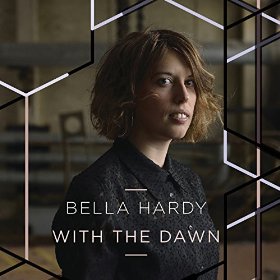 Bella Hardy
 While her first four albums were very much couched in traditional folk, The Herring Girl from Songs Lost and Stolen winning her a Radio 2 Folk award in 2012, the release of Battleplan in 2013 made it very clear that she had other interests within the genre. This, her first recording since winning Folk Singer of the Year at last year's awards, makes it clear that her direction is upwards and onwards, adopting slurred beats, discordance and a heavy use of drums to provide more than simple percussion.
Such musical nerviness does, perhaps, reflect the fact that the album grew out of a particularly turbulent year impacted by life on the road, turning 30 and a variety of personal difficulties, a time of flux that has resulted in confessional, intimate songs steeped in reflection, loss and longing. It doesn't take a genius to work out that a failed love affair played a considerable part in the proceedings, the opening track, the moody, brass-embellished The Only Thing To Do with its lurching beats chorus, finding her comparing trying to make a relationship work with the writing process.
Produced by Ben Seal, who was also responsible for programming, all the songs here are by Hardy, the demos often recorded on her iPhone and, in the case of the intro to You Don't Have To Change (But You Have To choose), a fragile, vulnerable blues-tinted song about not compromising herself for love, and Lullaby For A Grieving Man with her characteristic plucked fiddle, retained for the finished version.
She wears her emotions like open scars, at times raw as on the self-explanatory Oh My God! I Miss You, although its soft, gentle melody and arrangement belies the hurt in the lyrics, and Gifts, a song about trying to accommodate another, 'trying to fit into you' as, accompanied by pizzicato fiddle, banjo and horns, she desperately repeats "I can't fly." At others, she's more reflective, as with the Appalachian-hued, trumpet-stained and slightly jazz-influenced First Light Of Morning, co-written by and featuring Seal on banjo, where she remembers when she wrote "I think I might love you now" on a silver wood gatepost, or optimistic about coming through the long night of the soul, as evidenced on the relatively perky, warm and traditional-sounding The Darkening Of The Day which features Cera Impala on banjo, and the clear, clean air feel of piano-tinkling album closer, And We Begin There's nothing I wouldn't give to start and end my days like this"), which puts me in mind of some 30s music hall ballad.
She even shows a knowing sense of humour as, nodding to Whisky, You're a Devil on Battleplan, there's a number titled Another Whisky Song, although, backed by discordant rhythms, clattering percussion and what sounds like wheezing treated fiddle (recorded, along with the vocals, in her wardrobe), this is a lament about the combination of love and alcohol.
There's also two numbers that don't fit into the general diary scheme, although, co-penned with Cara Luft (who also plays banjo) as part of a Canadian songwriter exchange, Time Wanders On, with its mountain music sensibility and nature-imagery, does echo the themes of home and hope elsewhere. The other, commissioned for Songs For The Voiceless, an anti-war folk project about lesser known stories of World War I, is Jolly Good Luck To The Girl That Loves A Soldier, a brass-burnished, poignant and lyrically non-partisan universal letter of sympathy to "those who know the inconsolable despair of the unknown, to those whom only shells of men or ghosts of men come marching home" that well deserves to find itself among next year's Radio 2 nominations.
It may have been a troublingly dark year, but as Kahil Gibran observed, "one may not reach the dawn save by the path of the night", and this album finds morning has broken on what promises to be an even more glorious tomorrow.
Mike Davies
Lee Gallagher and the Hallelujah:Lee Gallagher and the Hallelujah
Paul Brady:The Vicar Street Sessions, Volume 1
Steve Ignorant's Slice Of Life:Love And A Lamp-Post
Morton Valence:Another Country
Donnie Munro:Sweet Surrender Live Acoustic
Jackie DeShannon:Jackie DeShannon Four Albums On Two Discs
Various Artists:Folkroom Anthology Three
The Fatea Showcase Sessions are a series of downloads featuring acts that we've really enjoyed and think that more people should get the chance to hear.
Click Here to get the latest session

