
Loading
 Get The Blessing
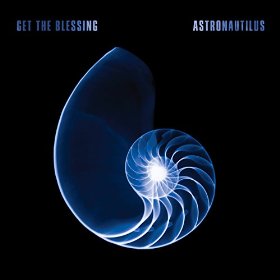
 The fifth album in 15 years by Bristol-based quartet Get the Blessing comes fast on the heels of their highly-rated 2014 release Lope and Antilope. And it marks a further development in the story of this creatively restless and sometimes challenging group. Recorded 'on location' last winter, in a rented house in Cornwall, the album has all the trade-marks of a typical GTB record, but with the added coherence of a thematic approach: the sea in all its glory, and mystery. In January, you are always aware of the elements in Cornwall - never far from the sea and the incoming winds and rain off the Atlantic Ocean. The result is a sequence of nine tracks which reflect the elemental nature of the surroundings in which they were conceived, and which create a soundscape of an alien world under water; as remote and strange as outer space.
Get the Blessing's sound derives from the unusual make-up of the group. The rhythm section of bassist Jim Barr and drummer Clive Deamer, both come from the trip-hop band Portishead - Deamer also plays live with Radiohead. At the other end of the spectrum saxophonist Jake McMurchie and trumpeter Pete Judge are jazz musicians, composers and multi-instrumentalists. Linking the two facets of the group is a strong interest in electronics and sound manipulation, filtered through their shared love of the music of the late jazz innovator Ornette Coleman. Indeed, Astronautilus is dedicated to the recently-deceased Coleman, and to the inspiration he provided for the formation of the group - (The Blessing was an early composition of Coleman's). The resulting sound can sometimes produce a clash between harmony and discord, swinging rhythms and free-jazz squeaks and squawks, melodic horn phrases and clattering beats and pulses, all combined with a wash of electronic effects. But like the best of Coleman's own work, GTB's playing often has a direct emotional impact on the listener - it is more than sound!
Opening track Phaenomena illustrates the Blessing style admirably; it starts with a muddy, loping bass beat and counter-rhythm on the drums, as distorted trumpet bursts lead into a multi-tracked brass riff strongly reminiscent of Snarky Puppy, before leading into an Ornette Coleman-influenced sax solo which switches in and out, over the other themes and rhythms, then stops abruptly. The track is named after a two thousand, two hundred year-old poem by the Greek Aratus, which describes the constellations of the stars. From this glance to the heavens, GTB dive into the deep waters of the oceans with Carapace: the repeated opening tone could be a satellite bleep or a sonar pulse! As the creature descends, safe in its hard shell, the cacophonous bursts of sax and flugelhorn dart and twist through the tune like small fish, whilst a steady brass theme plots the fluid movements of the creature, until it clatters to a halt, (on the sea-bed?). Monkfish is a funky piece, introduced by some crisp, jazzy drum licks from Deamer and a repeated brass riff and occasional soul music hook, providing the foundations for some jagged trumpet and sax soloing, with an obvious cross-reference to jazz legend Thelonius Monk. Could this be the loneliest monkfish in the world?
Conch, probably more than any other track, conjures up the strangeness of the marine world. Judge plays some stunningly pure and soulful soloing over a slow bass riff - use of echo reproduces the eerie acoustics under water, whilst flashes of electronics suggest the rapid swoops and swirls of glinting fish, silver and gold streaks in the gloom. Then imagine a diver, aqualung fitted, jumps into the water; Cornish Native recreates this experience, with short snatches of brass, keyboards and electronics mimicking the sounds of outboard motors, passing seagulls and shoreline activities amplified by the water above. This all provides the base for Judge and Mcmurchie to weave short, atonal solos through the basic riff. Slowing the mood again, Nautilus is a more usual jazz riff-theme, very reminiscent of 1970's groups such as Nucleus, Soft Machine or Centipede. The riff slowly develops, crescendo-like with Pete Judge's trumpet sounding so like the late, great Harry Beckett. The piece admirably describes the slow, lumbering progress of the great marine mollusc, the titan of the deep. Like so many tracks on the album, the muddy sound qualities of some of the (electronically processed) instruments infuses the music with a pelagic mood of dark and sediment.
Green Herring has a funky rhythm and bright-toned trumpet theme, leading into some excellent tenor soloing from Mcmurchie; it seems to portray the movement of the fish (presumably in shoals) through the murky waters. Suddenly the mood changes; a heavy riff comes in and the theme returns in more menacing form, then comes to a sudden stop. Has something attacked the herring? Hayk (is the mis-spelling a reference to some Armenian composer?) opens with more staccato trumpet phrases and wild soloing in the mode of Harry Beckett, then switches into a gentle bass groove. This gradually builds into a long crescendo and then fades. Finally, the album closes with Sepia. Returning to the echoing deeps, we encounter the inky brown murk of the sea bed - is this cuttlefish ink clouding our view, as we swim through the darkness, hearing the distant echoes of some warning bell on the coast?
More than earlier Get the Blessing albums Astronautilus is one that grows on you with repeated listening. Despite the Ornette Coleman "new jazz" feel (which, after all is nearly 60 years old!), there are layers of subtlety in the writing, and a thematic unity which engages the listeners imagination fully. So this is a highly recommended album - standout tracks for me are Monkfish, Conch and Nautilus; buy it or download your own favourites and you will not be disappointed.
Martin Price
Ray Lynam:The Essential Ray Lynam
Terry Kitchen:The Post-American Century
Greg Blake:Songs Of Heart And Home
Johnny & The Hurricanes:Hurricane Force!(Rare, Live And Unissued)
John Fahey & His Orchestra:Of Rivers And Religion/After The Ball
John Kirkpatrick:Tunes From The Trenches: Songs From The First And Second World Wars
Townes Van Zandt:The Late Great Townes Van Zandt
The Fatea Showcase Sessions are a series of downloads featuring acts that we've really enjoyed and think that more people should get the chance to hear.
Click Here to get the latest session

