
Loading
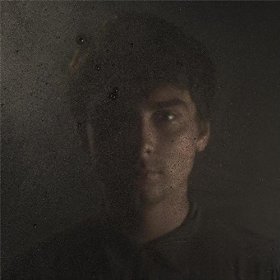 Inti Rowland
 London-based singer-songwriter Inti's intriguingly-titled debut full-length album follows on from the release of no fewer than four EPs over the course of the past few years, and is a brave and at times unashamedly grandiose effort that luxuriates in its own peculiar (and peculiarly compelling) sound-world. Being recorded in the summer in a secluded, peaceful setting near Perth has obviously yielded much in terms of ambience, but that's clearly not the whole story. Inti's own rippling fingerpicked guitar forms a curiously exposed backbone and bedrock, above which float layers of deftly configured yet lavishly swooning quasi-orchestral tapestries conjured by his supporting musicians playing any combination of cellos, violin, flugelhorn, bass and drums.
The very sound of the album is extraordinary, and extraordinarily powerful, to the extent that it's hard at first not to be distracted away from the wealth of tone of Inti's signature floaty, high-strung vocal style onto the words of his songs. Pay closer attention, with the lyrics held alongside you in the well-appointed accompanying booklet, and this is found to pay considerable dividends. There's a fantastical, almost breathless passion to Inti's writing, evidenced most strongly in songs like Summer Swallows and The Golden Lark.
The actual album title is well represented thematically too, and Inti clearly has a feel for the delicate fluttering, shimmering imagery of the aviary and the ornithological world in general, while the theme of strange yet tender vulnerability recurs throughout, especially potent on the almost unreachable swooping high-registers of Eyes Of A Starling and on Beaten, Battered, But Bold; in the words of that latter song, Inti's internal pain may be recycled, but those feelings are no less intensely felt and every syllable counts as it twists the drifting melodic contours. Inti's music is pretty much individual, and doesn't have a useful ready comparison or reference point, but there are passages which approximate the eerie, heady, hazy richness of early-Gilmour-era Pink Floyd. And on It Is Time, you'll find an almost unbearably strongly felt harmonica solo where you might least expect it!
The almost unearthly mood and timbre of the album's arrangements may at times be quite epic, but the interior monologues too are thoughtfully conjured and the end product inordinately charming and persuasive, making this disc a real gift to the orifices, thus most definitely recommended listening.
David Kidman
The Great Western Tears:The Great Western Tears (EP)
The Rachel Hamer Band:The Rachel Hamer Band (EP)
The Magic City Trio:A Funnel Cloud In Albuquerque
Steve Hillage:Live At Rockpalast
Laurence Jones:What's It Gonna Be
Little Texas:Young For A Long Time
Fabian Holland:A Day Like Tomorrow
John McDonough:Dreams And Imagination
The Fatea Showcase Sessions are a series of downloads featuring acts that we've really enjoyed and think that more people should get the chance to hear.
Click Here to get the latest session

